Indonesia Asks Nickel Miners to Re-Apply for 2026–27 RKAB Permits: What the Quota Re-Review Means for Stainless Steel
Quick Summary
On 17 September 2026, Indonesia's Energy and Mineral Resources Ministry began requiring holders of mining licences (IUP/IUPK) to re-apply for their RKAB work plans covering 2026 and 2027. A re-review of production quotas in a country that supplies more than half of the world's mined nickel is a dire…
On 17 September 2026, Indonesia's Energy and Mineral Resources Ministry began requiring holders of mining licences (IUP/IUPK) to re-apply for their RKAB work plans covering 2026 and 2027. A re-review of production quotas in a country that supplies more than half of the world's mined nickel is a direct supply-side risk for stainless steel.
What actually changed on 17 September
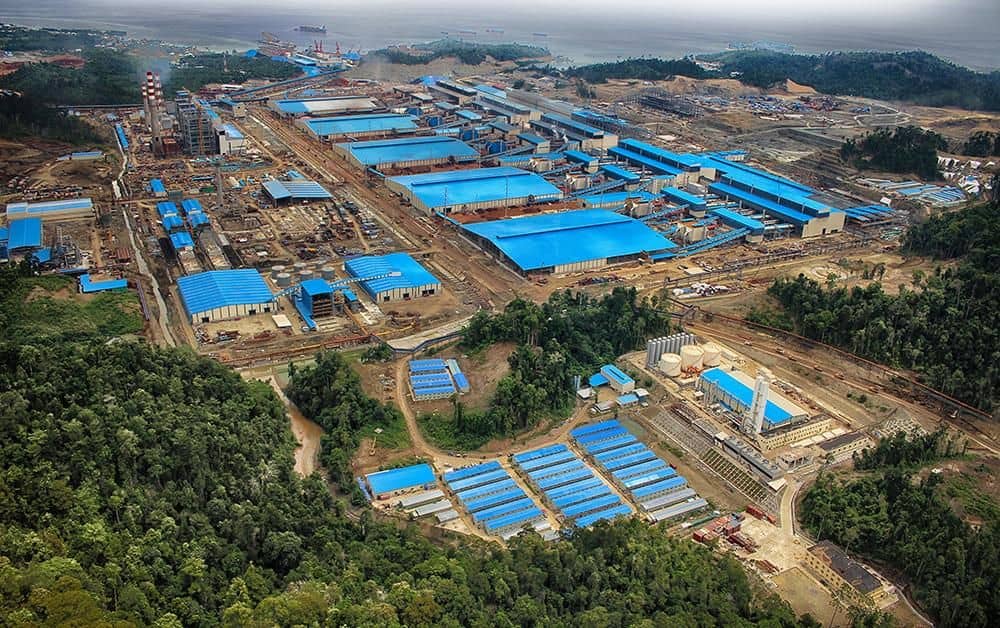
Indonesia regulates how much ore every mine may extract through the RKAB (Rencana Kerja dan Anggaran Biaya) system — the annual work-plan-and-budget approval issued by the energy ministry, ESDM. According to Argus Media reporting dated 17 September 2026, ESDM is now requiring holders of mining licences to re-submit their RKAB work plans for both 2026 and 2027, effectively reopening quotas that had already been granted.
That is unusual. Normally a work plan, once approved, stands for its term. Requiring a fresh application means:
- approved production allowances can be revisited mid-cycle,
- mines with contested or pending quotas face renewed administrative delay,
- smelters buying ore — NPI and ferronickel plants in particular — cannot assume their feedstock arrangements will hold.
The mechanism matters more than any single number. A re-review is not a cut, but it converts a quota from a settled fact into a negotiation — and markets price negotiation risk immediately.
Why Indonesia's paperwork moves global stainless prices
Indonesia accounts for roughly 55–60% of global mined nickel and dominates the ore supply that feeds both Chinese and Indonesian NPI/ferronickel capacity — the primary feedstock route for the world's stainless steel. We mapped this dependency in our earlier piece on Indonesia's 55% share of global nickel supply.
The arithmetic is unforgiving. Stainless steel production grew about 5% year-on-year in the first half of 2026 according to industry association Worldstainless. Demand for nickel units is rising while the dominant producer is re-opening its quota paperwork. Even the prospect of tighter ore availability — without any actual cut — tends to lift the alloy surcharges built into 304 and 316 pricing.
This is also why 2026 nickel averages have sat above 2025 levels even through soft demand months: the market carries a persistent Indonesian policy premium.
One distinction is worth making when you read supplier statements: NPI (nickel pig iron) and ferronickel are the two ore-based feedstock routes, and they sit at different points of the value chain. NPI is the cheaper, lower-nickel-content route that Chinese stainless mills blend with pure nickel units; ferronickel carries a higher nickel content and flows into both Chinese and Indonesian integrated mills. A quota review that slows either route shows up as ore scarcity first, then as feedstock cost, and only at the end as a stainless price — with weeks of lag between each stage. That lag is exactly why buyers should react to the announcement, not to their next invoice.
Three scenarios buyers should price in
| Scenario | Likelihood | Effect on 304/316 costs |
|---|---|---|
| Re-applications processed smoothly, quotas roughly unchanged | Moderate | Neutral; nickel stays in its $16,000s range |
| Selective tightening — slow-walked approvals for some mines | Elevated | Modest premium builds; surcharges firm |
| Quota reductions announced during the re-review | Lower, but real | Sharp nickel move; mill offers re-price within weeks |
The middle scenario is the one procurement teams should plan around. Quota re-reviews rarely end with every applicant intact — some volumes get trimmed, some get delayed. For ore-dependent smelters, the impact lands with a lag as ore run-down and rebuilds stockpile cover.
What it means for different product lines
- Austenitic 200 and 300 series. Highest nickel intensity, most exposed. Expect 304-family offers to be the first to reflect any premium, and surcharge clauses to be quoted more conservatively.
- Duplex grades. Roughly half the nickel of 304 by weight, with chromium and molybdenum doing more of the corrosion work. If nickel premiums build, the 2205/2507 route becomes relatively more attractive for corrosion-critical service.
- Nickel alloys. For engineered products like Inconel 625 plate, nickel feedstock cost is a larger share of the quote; lead times may also stretch if mill input planning gets cautious.
- Ferritic and carbon steel. Unaffected directly — a useful hedge when a quote list is dominated by austenitic grades.
If your application allows a duplex solution, our 2205 duplex stainless steel pipe line is worth comparing against 316 before surcharges move.
Practical steps for the next quarter
- Ask suppliers how they source. Mills melting Indonesian-origin NPI or ferronickel carry different exposure than those on scrap-based routes. The answer tells you whose price moves first.
- Pull forward volume that is already specified. If a project has approved drawings and a fixed grade, booking before any quota announcement removes risk for the cost of early financing.
- Keep a grade-substitution plan. Where 316 was chosen out of habit rather than necessity, evaluate 2205 duplex or a coated alternative now, at current prices, rather than after a premium builds.
- Watch official sources, not rumours. ESDM announcements, LME official prices and mill circulars are the only inputs worth re-quoting on. The re-application requirement was announced through formal channels — that is the signal to track.
Work with Yuze Metal
Yuze Metal Limited, established in Wuxi in 2012, exports stainless steel, nickel alloys and aluminum products to more than 60 countries and supplies over 300,000 tonnes a year with mill test certificates on every batch. Our team monitors Indonesian supply policy and LME pricing daily and re-prices quotes transparently when the cost base moves. Write to us at sales@yuzemetal.com or message us on WhatsApp; we reply fast.